
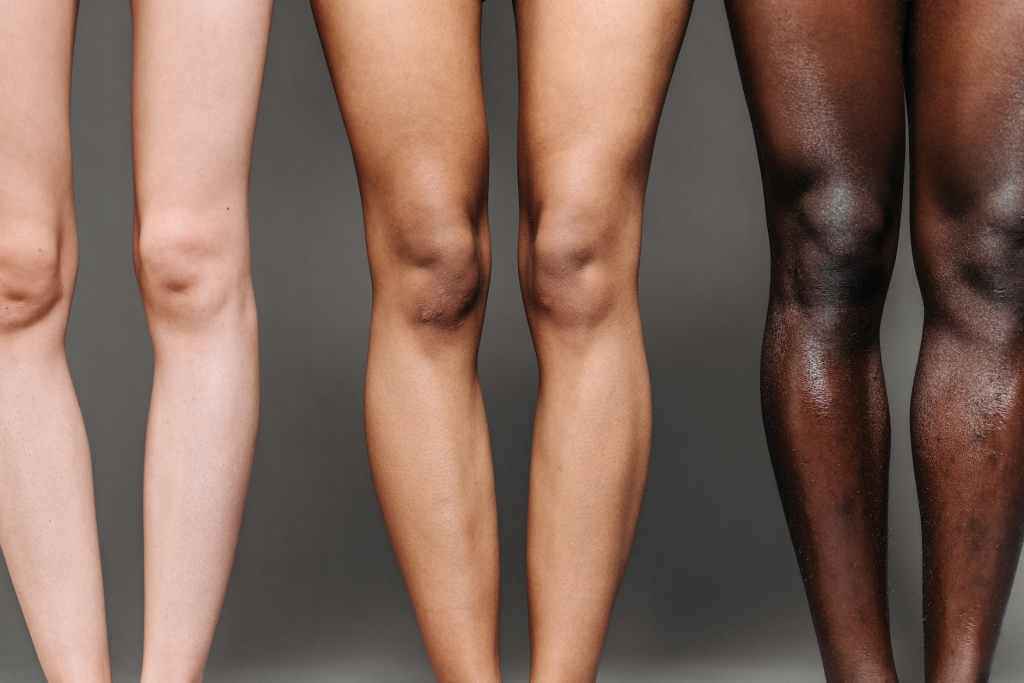
As is the case with many runner’s, this is a common occurrence. I am out for a run and see a non runner who I may stop and talk to , I know I will hear something about running and knees. Things like, “I’d run, but it is bad for the knees.” always enters the conversation. Sometimes I even hear it from runners. But I am here to prove that that is a bunch of pho-knee bolo-knee.
‘Running is bad for your knees’, is the number one running myth. But research has shown time and time again that there isn’t a greater chance for knee injuries, osteoarthritis or joint issues for those that runner versus those that don’t run. Ironically, research shows that running, when done properly, is actually good for your knees. The following are a few tidbits about your knees and the positivity of running.
Running strengthens your leg muscles. Running is a weight-bearing exercise that strengthens your leg muscles, including your quadriceps, hamstrings, and calves. When these muscles are strong, they can help support your knees and reduce the risk of injury.
By using running to help maintain healthy body weight, you will help your knees in the long run, no pun intended.Excess weight can put additional stress on your knees, which can lead to knee pain and injury. Running can help you maintain a healthy body weight, which can reduce the load on your knees and decrease the risk of knee problems.
Running actually helps your joints and increases joint lubrication. When you run, your body produces synovial fluid, which helps lubricate your joints. This can help reduce friction and wear on your knee joints, which can decrease the risk of knee pain and arthritis.
Another area where running will make you stronger, and therefore make your knees stronger is increased bone density. Running is a weight-bearing exercise that has shown to improve bone density. This can help reduce the risk of osteoporosis and fractures later in life, which can be common in older adults.
Running obviously can improve cardiovascular health, which leads to healthier knees. Regular cardiovascular exercise, such as running, can help improve heart health, which can reduce the risk of heart disease and stroke. This can help keep you healthy and active for longer, which can reduce the risk of knee problems.
However, it’s important to note that running can also be bad for your knees if it’s done improperly or excessively. And this is how that myth has gotten traction. But, let common sense prevail. Here are some tips to help reduce the risk of ago-knee while running:
Make sure you have the right tools for the job. Wearing proper running shoes can help absorb shock and reduce the impact on your knees. Look for shoes with good arch support and cushioning to help protect your knees. Go to a reputable running store if you are unsure, they will test you, check your stride and make recommendations. Ask questions!
If just starting or starting a new training cycle, start slow. .If you’re new to running, start slow and gradually increase your distance and speed over time. This can help your body adjust to the new activity and reduce the risk of knee pain and injury. Don’t try to eat the elephant in one sitting, use common sense and don’t overdo it.
Make sure you are using proper form when running. .Proper running form can help reduce the stress on your knees. Make sure to keep your head up, shoulders relaxed, and arms at your sides. Land on the middle of your foot and avoid over-striding. If you need help with recognizing proper form, seek out a coach.
Cross-training will help keep your body balanced, reduce impact if needed and introduce variety for healthier fitness.Incorporating other forms of exercise, such as cycling or swimming, can help reduce the impact on your knees while still providing cardiovascular benefits. This can help reduce the risk of knee problems and keep you active and healthy.
Make sure you listen to your body.If you experience knee pain while running, it’s important to listen to your body and rest if necessary. Continuing to run through pain in the knees or any part of the body can exacerbate the problem and lead to more serious injuries.
Rest days are key to having healthy knees. Make sure that you use the hard/easy rule; one day workout then an easy or rest day on the next to recover.
If you want to get a jump on strengthening your knees for running, there are several exercises and strategies you can incorporate into your training routine. For those that are serious runners and putting in mileage these are must. Here are some tips to help you strengthen your knees for running:
- Strengthen your leg muscles.
Strong leg muscles can help support your knees and reduce the risk of knee injury while running. Exercises such as squats, lunges, leg presses, and calf raises can help strengthen your quadriceps, hamstrings, and calves. You can also try plyometric exercises such as jumping squats, box jumps, and lunge jumps to build explosive strength.
- Incorporate knee-specific exercises.
There are several exercises that specifically target the knee joint and can help strengthen the muscles and ligaments that support it. Exercises such as knee extensions, hamstring curls, and leg raises can help improve knee stability and prevent injury.
- Use resistance bands.
Resistance bands are a great tool for strengthening the muscles around the knee joint. You can use them to perform exercises such as side leg lifts, monster walks, and squats. Resistance bands provide a low-impact workout that can help improve knee strength without putting excessive stress on the joint.
If you are looking for a routine to follow, once again a coach is a valuable tool. They can help you create the correct routine, answer questions and give you confidence in reaching your goals.
So, if you are approached by the knee myth spouting public, let them know running can be good for your knees if it’s done properly. It can help strengthen your leg muscles, maintain a healthy body weight, improve joint lubrication, improve bone density, and improve cardiovascular health. However, it’s important to wear proper shoes, start slow, use proper form, cross-train, and listen to your body to reduce the risk of knee problem. And if you plan to run more than the average bear, make sure you add a leg strengthening component to your training.
 The Trophy Husband
Leave a comment