
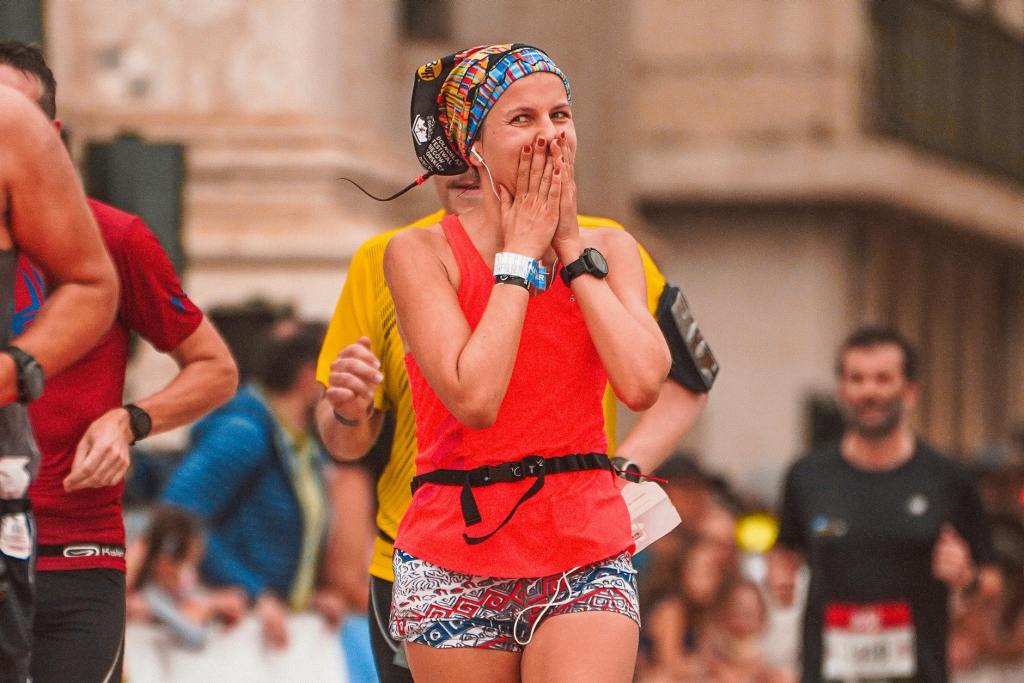
Completing a marathon is no walk in the park—unless you’re walking the last few miles because your legs have gone on strike. Whether you hit your target time or your only goal was to survive and still make it to the post-race buffet, finishing a marathon is an achievement worth celebrating. But don’t get too comfy in that ice bath; the marathon may be over, but recovery is a whole new race. This guide will take you through the best tips, workouts, and even some quirky methods to get you back on your feet (literally) after the big 26.2.
Let’s not sugarcoat it—a marathon is hard. We’re talking 26.2 miles of relentless pounding, mental battles, and physical wear and tear. Training for a marathon requires months of dedication, clocking in early morning runs, speed work, long runs that could have you questioning your sanity, and cross-training to keep things interesting. You’ve probably sacrificed sleep, social events, and a few toenails along the way. (RIP, big toenail of 2024—you were a good one.)
To get to the start line of a marathon, most runners undergo a training cycle of 12 to 20 weeks, filled with rigorous schedules. And let’s not forget the mental aspect—those mind games you play at mile 20 when you’re bargaining with yourself to keep going. But all that hard work makes crossing the finish line so much sweeter, whether you hit your goal time or just got there by sheer stubbornness and a bit of luck. A marathon is a distance that pushes the human body to its limits. The physical demands include repetitive impact on the joints, depletion of glycogen stores, muscle micro-tears, and significant mental fatigue. Remember the first guy that did it…died.
Immediate Post-Marathon Recovery: Step One—Don’t Stop (Too Much)
Celebrate your accomplishment. First things first, give yourself a pat on the back. You have just done something extraordinary, even if your legs don’t agree right now. Whether you nailed your time goal or crawled in just ahead of the sweeper bus, you’re officially a marathoner. That’s like earning a PhD in running—except with more chafing and no dissertation required.
Hydrate and Refuel. After running that far, your body is as dehydrated as a cactus in the desert. During a marathon, your body loses a significant amount of fluids and electrolytes through sweat, and your glycogen stores are nearly depleted. Within 30 minutes to an hour after finishing, start replenishing your body with fluids, electrolytes, and carbohydrates. Aim for a sports drink or a smoothie that combines carbohydrates and protein in a 3:1 or 4:1 ratio to kick-start the muscle recovery process. Bananas, protein bars, chocolate milk and even pizza hit the spot, too.
Keep Moving. You’ve just run 26.2 miles, so it’s totally understandable if you want to lie down and not get up until next Tuesday. But trust me, the best thing you can do is keep moving, even if it’s a slow shuffle that would get you lapped at a retirement home. A 10-15 minute walk will help your body start the recovery process by keeping your blood circulating and preventing your muscles from stiffening up like an overcooked steak. Gentle movement allows your muscles to gradually cool down and helps to clear out metabolic waste products like lactic acid.
Light stretching and Foam Rolling. Although, your body will disagree, light stretching and foam rolling can help alleviate muscle tightness and soreness. Focus on major muscle groups like your quads, hamstrings, calves, and glutes. Foam rolling can help release muscle tension and improve blood flow, speeding up the healing process. Be gentle and avoid pushing too hard, as your muscles are likely to be quite sensitive immediately after the race.
After the Marathon: What Comes Next?
Rest and Sleep. Take advantage of the post-race period to catch up on some quality sleep. Your body does the bulk of its repair work while you’re dreaming of a world where running does not hurt, so aim for 8-10 hours of sleep per night. If you can sneak in a nap during the day, do it. Consider this your license to be a coach potato.
Eat to Heal. Nutrition plays a big role in recovery. Stick to a balanced diet with plenty of lean proteins, whole grains, fruits, veggies, and healthy fats. If you’re looking for a little anti-inflammatory help, add some omega-3s to your diet—think salmon, chia seeds, or walnuts. It’s like giving your muscles a mini spa day from the inside out.
Active Recovery. Now, when I say “active,” I’m not talking about jumping back into 5-mile tempo runs or hill sprints. We’re talking low-impact activities like walking, light jog, casual cycling, or a swim. You know, things that wouldn’t have you sweating more than when you’re trying to remember if you turned off the stove. These activities help with circulation and gently coax your muscles into recovery mode. Aim for 20-30 minutes at an easy effort; the goal is to move, not to exhaust yourself.
Keep with the stretching. If you’re feeling ambitious, some gentle yoga can do wonders for your flexibility and range of motion. And no, I don’t mean the kind of yoga that has you twisting into shapes that defy basic human anatomy. Stick with simple poses like downward dog, child’s pose, and seated forward fold. It’s like giving your muscles a gentle nudge and saying, “Hey, it’s okay to relax now.”
When to start training for the next one. The easy rule of thumb is 1 day for every mile raced. So four weeks should be good. I’ve had some athletes take shorter and for others it took longer, it depends on the athlete. You can run during this time but I would keep all runs easy and no workouts.
Unorthodox Recovery Methods: Optional Help
There are also less conventional methods of recovery—the ones that may have you scratching your head but can work wonders when the usual stuff just isn’t cutting it. These are all things that I have yet to try, except for the salts, but I know people who swear by these methods. I should listen.
Cryotherapy involves stepping into a chamber that’s colder than your ex’s heart. We’re talking temperatures well below freezing for just a few minutes. This sudden cold can reduce inflammation and muscle soreness. Compression Garments Compression socks, tights, or sleeves can help boost blood flow and reduce swelling in your legs. Epsom salt bath is a proven option . The magnesium sulfate in the salts can help relax muscle tension, reduce swelling, and generally make you feel like you’re at a spa (minus the cucumber water and fluffy robes). Just add two cups of Epsom salts to a warm bath and soak for 20-30 minutes. Floatation therapy, or sensory deprivation, is also a proven recovery method. This method reduces muscle tension and offers deep mental relaxation by removing all sensory input.
The Mental Marathon: Don’t Neglect Your Mind
Physical recovery is only part of the battle. A marathon can take a big mental toll, too. It’s normal to feel a bit of a post-race letdown once the adrenaline wears off and the high-fives stop coming. Here’s how to keep your spirits up:
1. Reflect and Re-frame
Take some time to reflect on your race. What went well? What could have gone better? Write down your thoughts, or talk them out with a fellow runner who understands the highs and lows. Remember, every marathon is a learning experience, whether you nailed your goals or fell short. And hey, if you did fall short, welcome to the club.
Let’s set new goals…Once you have had some time to rest and recover, start thinking about what’s next. Whether it’s another marathon, a shorter race, or just running for the joy of it, having a new goal can help you stay motivated. And if you need some time off from running, that’s okay too. You’ve earned it.
Celebrate again even if you fell short. If you met your marathon goals, kudos to you! All that hard work paid off, and you should be proud. But if you did not quite hit your mark, don’t be too hard on yourself. It’s easy to get caught up in the numbers, but remember—you showed up, you ran, and that’s worth celebrating. Every race, every mile, every step is a testament to your resilience and determination. So dust yourself off, learn from the experience, and get ready to tackle the next challenge. Because if there’s one thing marathoners know how to do, it’s keep moving forward—even when every step feels like an argument with gravity.
Conclusion
Recovering from a marathon is not just about icing your legs and wearing your medal around the house like it’s a fashion statement, it is a process. By taking the time to properly recover, you’re not only healing your body, but also setting yourself up for future success. Celebrate your achievement, be proud of your effort, and know that whether you met your goals or fell short, you’re part of an elite group of individuals who dared to push their limits.
 The Trophy Husband
Leave a comment