
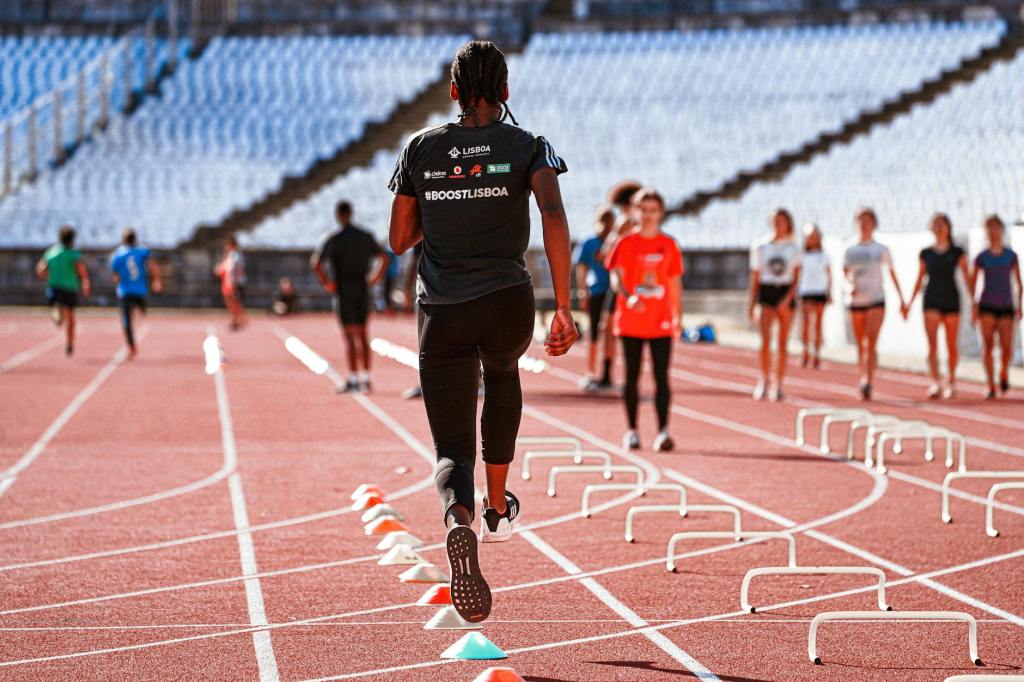
As a former restauranteur and award winning Chef, turned track coach, I feel that I can confidently give my athletes nutrition advice. What I found out in over 30 years of coaching, with nearly a decade at the Collegiate level: in reality is is simple: eat enough and soon after workouts and you will reap the benefits. I have broken nutrition down to disciplines and email me if you have questions.
Track and field athletes train hard. You lift, sprint, jump, throw, and run mile after mile. But here’s the reality: the work you put in at practice only pays off if you fuel your body correctly.
Think of your body like a race car. You might have the best engine on the track, but if you fill the tank with the wrong fuel—or forget to fuel it at all—you won’t get the performance you’re capable of.
And no, a Mountain Dew and a bag of flaming hot chips from the gas station is not considered “performance nutrition.” I checked.
Different events demand different types of energy, but one rule applies to everyone: your body performs the way you feed it.
Sprinters & Jumpers: The High-Performance Racing Engines
Think of yourself as a Formula 1 car. Your muscles are the million-dollar engine, but if you put cheap fuel in the tank, you’ll never reach top speed.
The Goal
Explosiveness. Your events require instant power.
The Strategy
Carbohydrates are your nitro fuel.
If you skip breakfast or lunch before a meet, your body doesn’t have the energy to fire quickly. Your nervous system slows down, your reaction time drops, and everything feels sluggish.
If you’ve ever said, “Coach, my legs just felt dead today,” the first question is usually:
“What did you eat today?”
If the answer is “nothing yet,” well… we may have found the mystery.
The Power Habit
Eat a high-carb snack about 60 minutes before practice or competition.
Examples:
Granola bar
Bagel
Banana
Pretzels
This quick fuel helps your brain and muscles feel electrified for those explosive 10–20 second bursts.
Throwers: The Foundation of Power
Throwers are the heavy hitters of track and field. Your job is to generate massive power through strength and explosive movement.
You’re not just eating to get big—you’re building armor.
The Goal
Muscle recovery and strength retention.
Every time you lift or throw, tiny tears form in your muscles. That’s normal. But if you don’t rebuild them properly, you won’t get stronger.
The Strategy
Protein is your brick and mortar.
Without enough protein, your body cannot repair those muscle fibers. Over time, instead of improving, you may actually get weaker during the season.
The Power Habit
Within 30–45 minutes after throwing or lifting, eat a protein source such as:
Greek yogurt
Beef jerky
Milk
A protein shake
Chicken or tuna
Don’t waste a great workout by starving your muscles afterward.
Think of it this way: you just spent an hour breaking down the house in the weight room.
Protein is what rebuilds it—hopefully bigger and stronger than before.
Distance Runners: The Hybrid Engines
Distance runners are built for the long haul. But your biggest enemy isn’t the competition—it’s running out of fuel.
When the tank runs dry, your form breaks down, your legs feel heavy, and suddenly the pace that felt easy in mile one feels like a life crisis in mile three.
The Goal
Efficiency and stamina.
Distance runners burn more calories than almost any other students in the school.
The Strategy
Carbohydrates are your battery pack.
Your muscles store energy called glycogen. If you don’t eat enough carbs before a race or workout, your battery starts at 50% instead of 100%.
That’s like starting a phone at half battery and expecting it to last all day.
The Power Habit
Focus on the night-before meal.
Great options include:
Pasta
Rice
Potatoes
Bread
Also keep an eye on iron intake. Foods like red meat and spinach help maintain healthy iron levels. Low iron is one of the most common reasons high school distance runners feel completely drained halfway through the season.
A simple rule: if you’re constantly hungry, your body is telling you something. Eat.
Distance runners burn so many calories that sometimes the best nutritional advice is simply:
“You probably need another sandwich.”
The Big Three Nutrition Mistakes
1. Skipping Breakfast
Why it hurts:
You are asking your body to perform after 12 hours of fasting. That’s like trying to race a car with an empty tank.
Fix:
Even something small works:
Banana
Toast
Granola bar
Just wake the engine up.
2. The “Gas Station” Lunch
Why it hurts:
Soda and chips create a sugar spike and crash right when you need energy for practice or a meet.
Fix:
Bring food that provides steady fuel:
Sandwich
Fruit
Water
Stable energy wins races.
Plus, the goal is to run fast at the meet—not spend the first two events wondering why your stomach sounds like a drumline.
3. The Water Myth
Why it hurts:
If you wait until you’re thirsty, you’re already dehydrated. Dehydration leads to fatigue, cramps, and poor performance.
Fix:
Carry a water bottle all day.
A simple test:
Your urine should look like lemonade, not apple juice.
If it looks like iced tea… we need to talk.
The Golden Rule for Meet Day: 3–2–1
A simple system to fuel properly before competition:
3 Hours Before:
Last real meal
Examples: sandwich, pasta, chicken and rice
2 Hours Before:
Sip water or electrolytes
Avoid heavy foods
1 Hour Before:
Small carb snack
Examples: fruit, pretzels, or a few gummy bears
Final Thought
Training builds the engine.
Nutrition fuels it.
If you want to jump higher, sprint faster, throw farther, or run longer, don’t leave your performance up to chance.
Put the right fuel in the tank—and let your body do what it was trained to do.
Because the goal on meet day is simple:
fast legs, strong throws, big jumps… and no one saying “Coach, I forgot to eat.”
 The Trophy Husband
Leave a comment